Top 8 AC Problems Fort Lauderdale Homeowners Report Every Winter
Published: 2026-06-07 · By AC Repairs by FreezeTop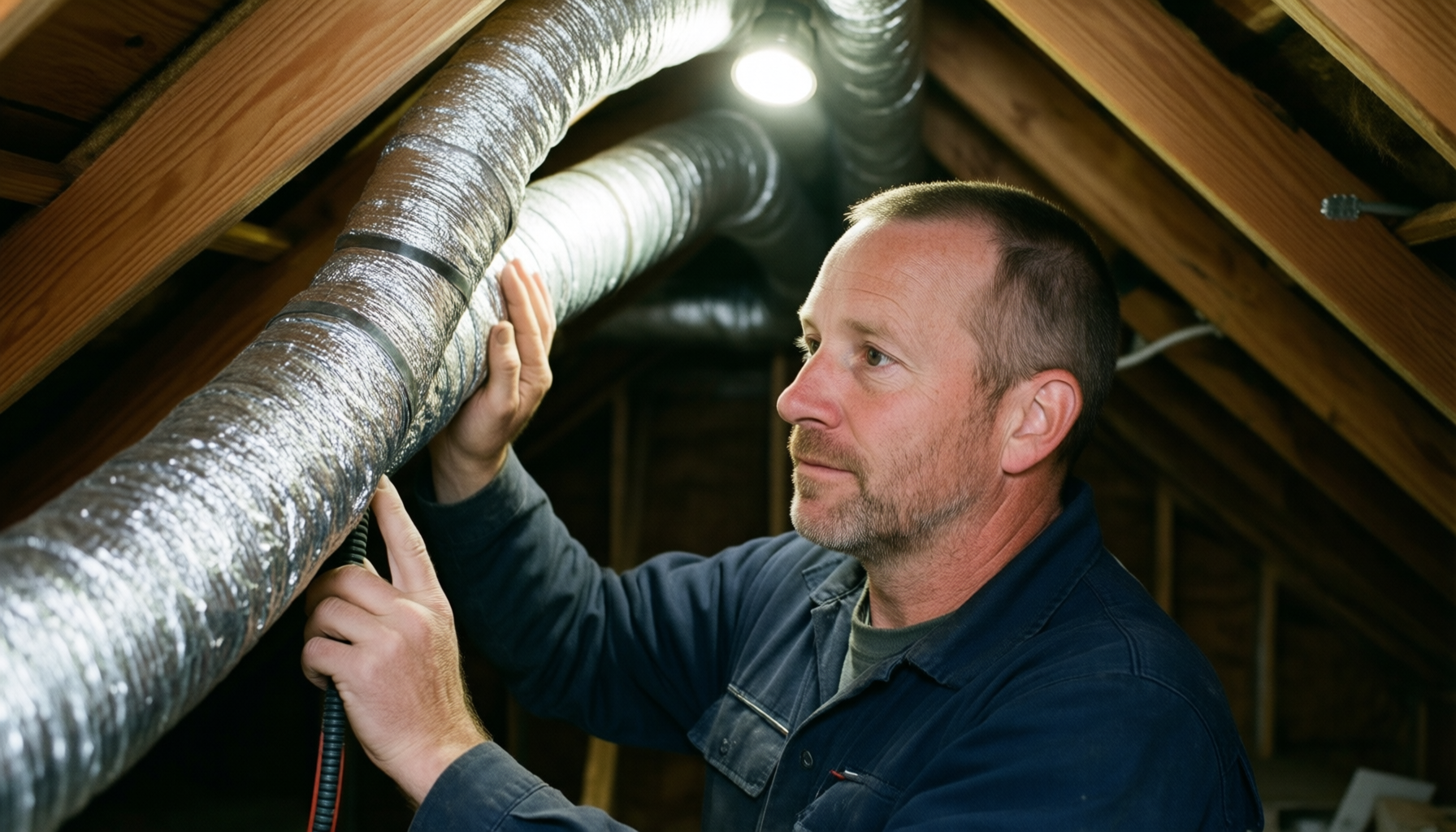
The summer heat in Fort Lauderdale can pave the way for overheating air conditioning systems. But as homeowners settle into winter, many might overlook the unique challenges that this season can pose for their cooling systems. With the high humidity and the ever-present salt air, even the milder winter months can serve up surprises for your AC unit. Have you noticed a drop in efficiency or an uptick in unusual noises? These could be signs that your air conditioning system is battling the elements. Understanding the common problems experienced during winter is the first step to ensuring your home stays comfortable all year round.
Why This Matters for Fort Lauderdale Homeowners
In Fort Lauderdale, the combination of high humidity, tropical storms, and salt air corrosion can lead to unique challenges for air conditioning units. Homeowners often report issues with their AC systems during winter, despite the cooler temperatures. One common problem is the buildup of moisture, which can lead to mold and mildew growth within the unit. Given Florida's climate, even mildly cold weather can lead to significant condensation issues, making it essential for homeowners to maintain their units properly.
Ensure your condensate drain is clear to prevent water from backing up and causing damage.
Another frequent issue is electrical component failure due to corrosion from the salty air. This kind of wear and tear can lead to breakdowns that may require costly repairs if not addressed promptly. Fort Lauderdale residents may also experience thermostat malfunctions, as rapid changes in temperature can confuse older units. Awareness of these common winter AC problems can save you both time and money in the long run.
Expert Solutions & Actionable Tips
1. Check Your Condenser Coils
Salt air can lead to rapid corrosion of condenser coils. It's crucial to clean these coils regularly, ideally every few months, to maintain system efficiency. Hiring a professional for a comprehensive cleaning can cost between $100 to $150.
Furthermore, make sure to cover your outdoor unit in winter to prevent debris buildup and corrosion from rain and storm damage.
2. Inspect Ductwork for Leaks
Leaky ductwork can severely reduce your system’s efficiency. In coastal environments, moisture can exacerbate this issue. Schedule a duct inspection to identify leaks, which generally costs around $200-$300.
By sealing these leaks, you could increase your system's efficiency by up to 20% and save on electricity bills.
3. Monitor Thermostat Settings
Thermostats can malfunction during rapid seasonal changes. Consider upgrading to a programmable thermostat that can adjust temperatures automatically. These typically range from $100 to $300 depending on features.
A properly functioning thermostat can help maintain a consistent indoor climate, preventing excessive strain on your AC unit.
4. Schedule Seasonal Maintenance
Annual maintenance checks are essential for detecting potential issues before they escalate. Hiring a qualified technician in Fort Lauderdale typically costs between $75 and $150. An inspection includes checking electrical connections, refrigerant levels, and inspecting moving parts.
Regular maintenance ensures your AC operates efficiently and can extend its lifespan substantially.
5. Consider Energy-Efficient Upgrades
If your AC unit is over ten years old, it may be time to consider an upgrade. Newer models are designed to withstand Florida’s unique conditions, and a new unit can cost anywhere from $3,500 to $7,500.
These units not only provide enhanced energy efficiency but also reduce the overall workload on your cooling system, translating to lower utility bills.
6. Keep Indoor Air Quality in Check
Fort Lauderdale's humidity can lead to poor indoor air quality. Invest in a dehumidifier for around $200 to $400, which can alleviate excess moisture in the air.
The right balance of humidity not only keeps your AC running more efficiently but also protects against mold growth and enhances overall comfort.
Fort Lauderdale Climate & Local Context
Fort Lauderdale's unique climate requires homeowners to be proactive about their air conditioning systems. Salty ocean air and frequent rain can corrode metal components much faster than in drier regions. Many properties also feature elevated constructions and moisture barriers, designed to combat flooding during seasonal storms. However, as innovative as these building strategies are, they necessitate specific considerations for HVAC repairs.
Humidity levels can remain high even in winter months, creating a tricky environment for cooling appliances. Local building codes often require additional ventilation and moisture management features that impact how HVAC systems should be installed and maintained. Ensuring compliance with these regulations can prevent future AC problems and costly fines.
When to Call a Professional
While certain AC issues can be handled personally, knowing when to call a professional is crucial for effective repairs. DIY repairs often work for small tasks like changing filters or cleaning condenser coils, which can be done relatively easily and affordably.
- Persistent or unusual noises from your unit
- Foul smells emanating from vents
- Pooling water around your AC unit
- Warm air blowing from vents
- Unexpected spikes in your utility bills
- System failure to start after regular filter changes
- Visible rust or corrosion on any parts
- Age of the AC unit exceeding 10 years
If you encounter any of these red flags, contact a local expert at AC Repairs by FreezeTop. They'll ensure that your unit is properly assessed and repaired, tackling any issues promptly to avoid long-term damage.
Frequently Asked Questions
What should I do if my AC is leaking water?
First, locate the source of the leak; it could be a clogged drain line or an issue with the condensate pump. Contact AC Repairs by FreezeTop if the problem persists, as they can provide specialized solutions for Fort Lauderdale’s humidity-related challenges.
How often should I change my AC filters?
In high-humidity areas like Fort Lauderdale, it's advisable to change your filters every month or at least every two months during peak usage. This helps maintain optimal airflow and prevents strain on the system.
What signs indicate I need to replace my entire AC unit?
Look out for a rapid increase in energy bills, frequent breakdowns, or an age over ten years. Replacement may be a more cost-effective option over time for high-demand systems in our local climate.
How can I prevent my AC from corroding due to salt air?
Regular cleaning and covering your outdoor unit during winter can significantly reduce corrosion risks. Consider using corrosion-resistant materials if you plan to upgrade your system in the future.
Is seasonal maintenance worth the investment?
Yes, investing in annual maintenance can save you money in the long run by ensuring your unit runs efficiently and prolonging its lifespan. For Fort Lauderdale homeowners, this service typically costs between $75 and $150.
Get Expert Air Conditioning Repair Service in Fort Lauderdale
The comfort of your home during the winter is crucial, especially in the humid conditions of Fort Lauderdale. If you’re facing any issues with your air conditioning system, don’t hesitate to call (954) 284-9851. AC Repairs by FreezeTop is ready to assist you with prompt and reliable service.
Whether you need a routine maintenance check or urgent repairs, our local experts have the skills and knowledge to keep your AC running smoothly in our unique tropical climate.